
ADA upgrades, permitted and documented
ADA compliance is building code, liability shield, and basic decency in one scope. Landmark handles it permitted and inspected, not patched.
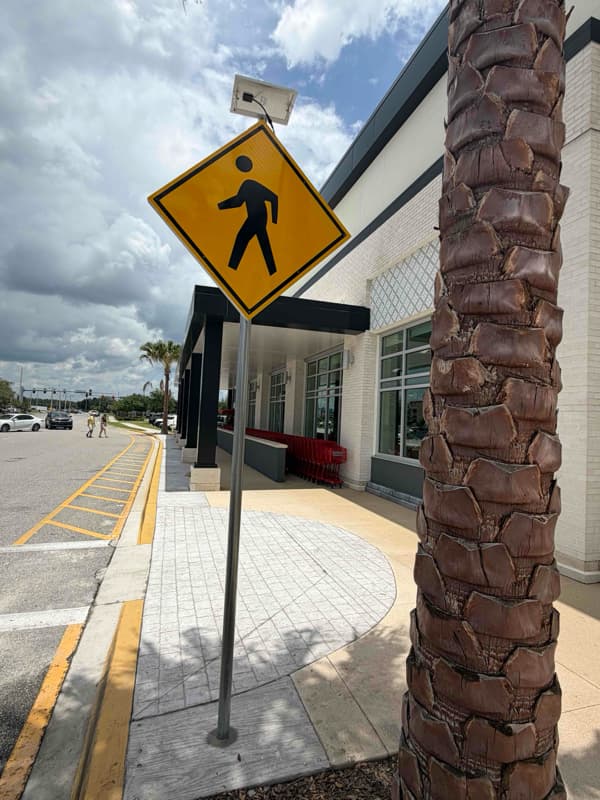 ADA Compliance Upgrades · Greater Central Florida
Accessibility issues surface when properties change: a new tenant build-out, an alteration that triggers path-of-travel requirements, or a demand letter that arrives without warning. The fix is rarely mysterious, ramps, restrooms, doors, signage, stalls, but it has to be done to code and documented.
What triggered the work changes how it runs. A demand letter puts the priority on speed and on paperwork that proves the correction was actually made. An alteration or build-out folds compliance into the permit set, which is the cheapest place to solve it. An ownership audit is the calmest version: findings get prioritized and scheduled across a budget cycle instead of landing all at once.
The corrections themselves cluster in predictable places. Parking is stall count, access aisles, and signage. The route from the stall to the front door is slope, surface, and curb ramps. The entrance is clear width, hardware, and how much force it takes to open the door. Interiors are restrooms, clearances, and reach ranges. Every one of those has a measured standard behind it, which is why guessing is the expensive option.
ADA review is built into alteration work by default, and Landmark also takes on standalone compliance scopes for owners working through an audit or upgrade plan. Most of the corrections are trades already running here: restriping and signage in the lot, concrete for ramps and walks, door and hardware work at the entrance, interior alteration for restrooms. One contractor closes the finding list, and the permits and inspections come back as documentation the owner can keep.
What's included
- Accessible parking, signage, and access aisles
- Exterior and interior path-of-travel corrections
- Restroom upgrades to accessibility standards
- Storefront, door, and hardware modifications
- Ramp, curb ramp, and running slope corrections
- Temporary accessible routes maintained during construction
- Permitting and inspection documentation
Questions, answered
What triggers ADA upgrade requirements?
Commonly: alterations or build-outs that trigger path-of-travel obligations, complaints or demand letters, and ownership audits.
What does an ADA scope usually include?
Parking stalls and signage, ramps and routes, door hardware and clearances, restroom fixtures and grab bars, and the documentation to prove it was done to code.
Is the work permitted and inspected?
Yes. Compliance work without inspection paperwork does not protect you.
Can ADA work be done while the property operates?
Usually yes, with phasing and temporary accessible routes planned so the property never loses accessibility during construction.
Does fixing the parking lot make the property compliant?
No, and this is the most common misread. Accessible stalls are the start of a route, not the whole of it. The path continues across the lot, up the curb ramp, along the walk, through the entrance, and into the restrooms, and a compliant stall feeding a non-compliant route does not solve the problem.
A demand letter just arrived. What is the first step?
Talk to your attorney first; this is a legal matter before it is a construction one. On the construction side, what helps is a measured assessment of the actual conditions and corrections that are permitted and inspected, because that documentation is what demonstrates the work was done to standard rather than merely done.
One Partner. Every Project.
Scope walk and a hard number before contract.